Did you know your gut is often called your “second brain”? This isn’t just a catchy phrase—it’s a reflection of how deeply your gut is connected to your overall health. Beyond digestion, your gut influences your immune system, mood, and even your mental clarity. Research into the gut microbiome—the trillions of microorganisms living in your digestive tract—reveals its critical role in keeping your body and mind in balance. By making simple changes to your diet and lifestyle, you can nurture your gut, strengthen your immunity, and boost your mood.
Why Your Gut Microbiome Matters
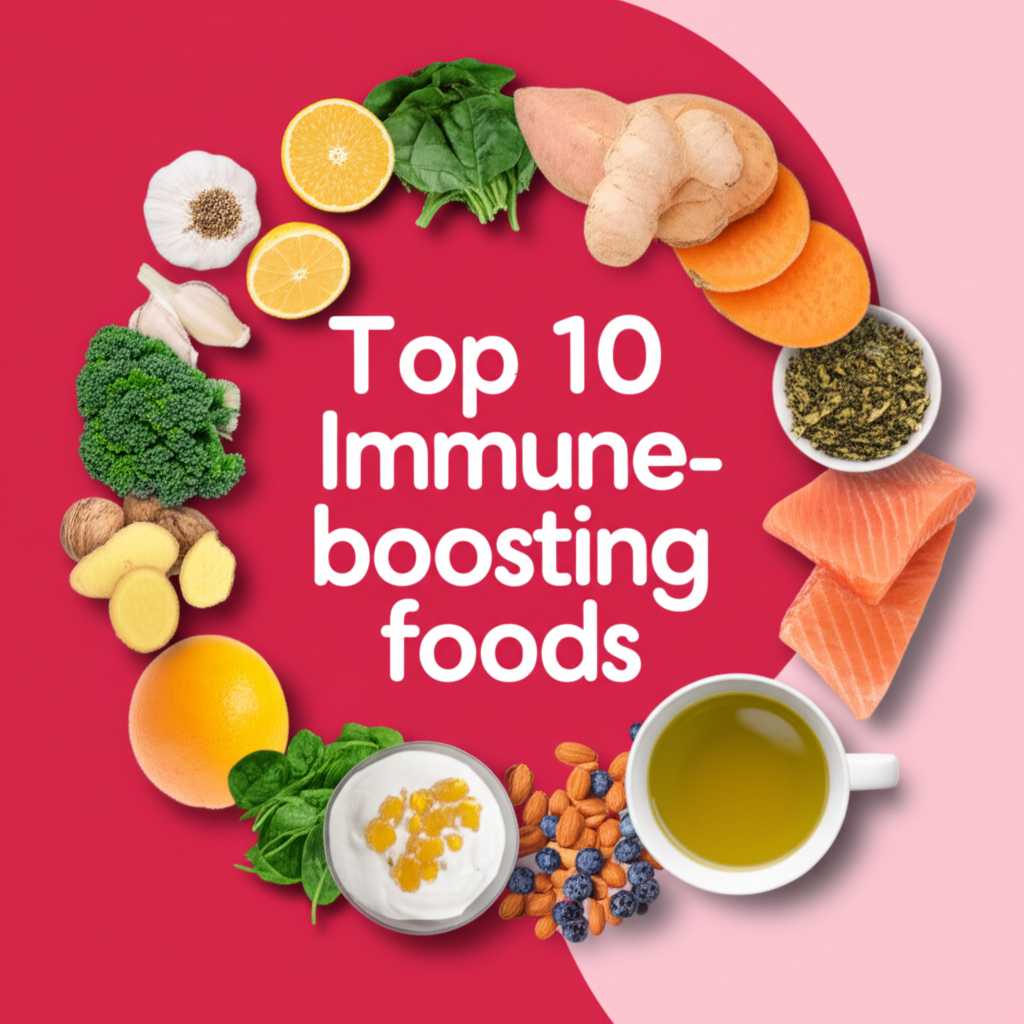
The gut microbiome works hard to digest food, produce essential nutrients, and safeguard your immune system. In fact, around 70% of your immune cells reside in your gut. A balanced microbiome acts like a guard, preventing harmful bacteria and viruses from invading your system and reducing inflammation—a root cause of many chronic diseases.
Interestingly, the gut is also linked to the brain through the gut-brain axis. This connection allows the gut to influence mood and emotions by producing neurotransmitters like serotonin, often called the “feel-good hormone.” When your gut is healthy, it can help you feel happier and more resilient. But when it’s out of balance, it may contribute to anxiety, low mood, and even brain fog.
How to Support a Healthy Gut
Maintaining a healthy gut doesn’t require drastic changes—just consistent habits. Here’s how you can keep your gut microbiome thriving:
- Eat the Rainbow
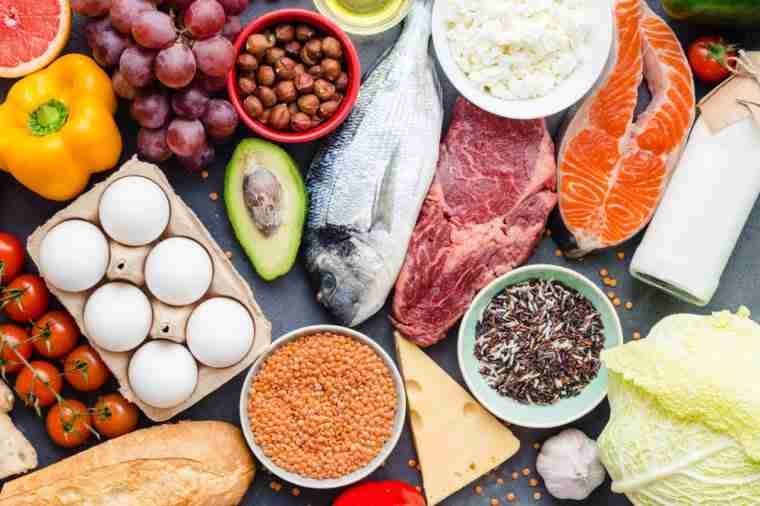
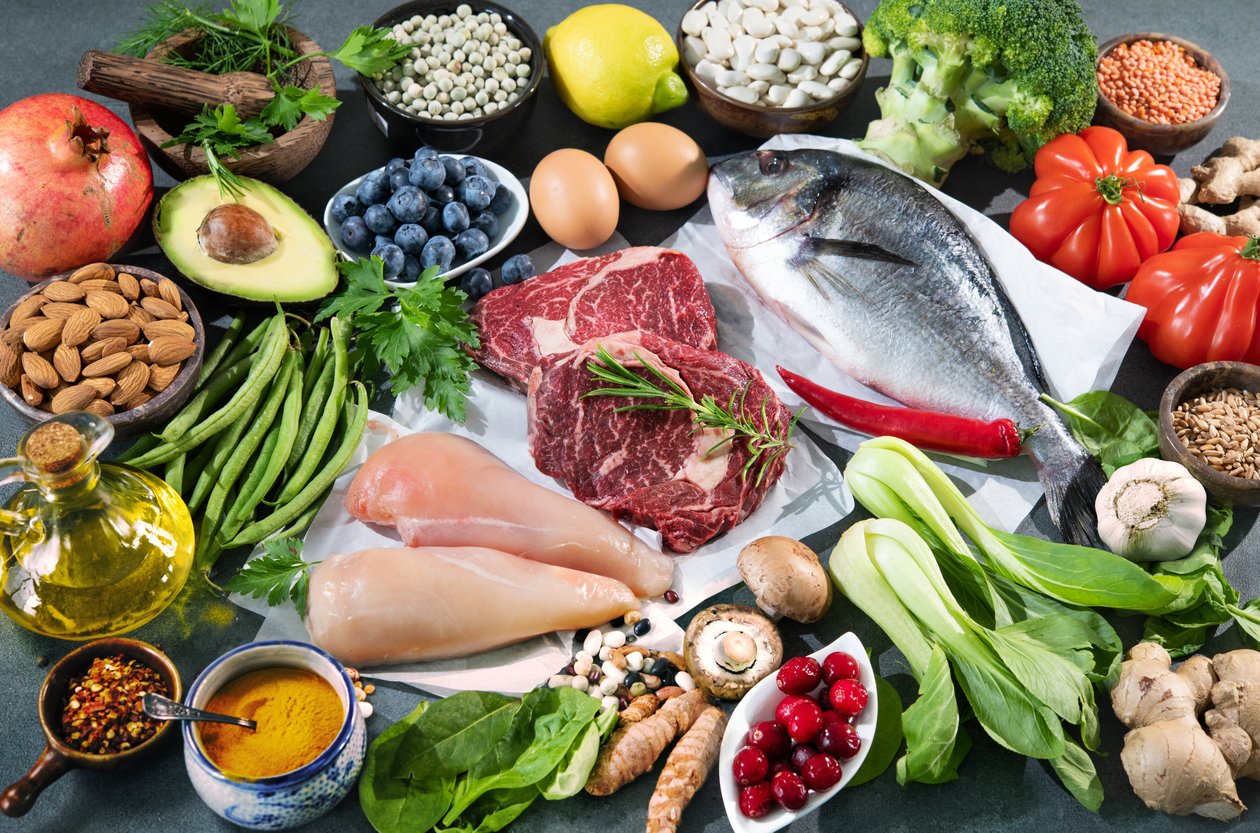
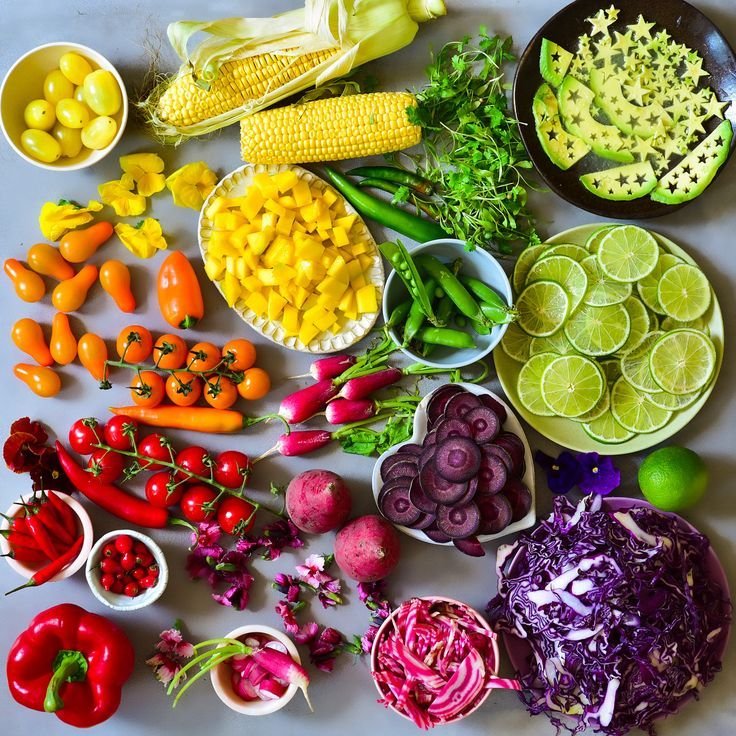
A diverse diet is one of the best ways to support your gut microbiome. Aim to include at least 30 different types of plant-based foods each week. Colourful fruits, vegetables, whole grains, nuts, seeds, and legumes are rich in fibre and nutrients that feed your gut bacteria. The “rainbow diet” ensures you’re getting a variety of vitamins and antioxidants that keep your gut ecosystem in balance. - Include Probiotic Foods
Probiotics are beneficial bacteria that can help maintain a healthy gut. Foods like yoghurt, kefir, kimchi, sauerkraut, miso, natto, and kombucha are natural sources of probiotics. Incorporating these into your diet can improve digestion and help restore gut balance. - Limit Processed Foods
Highly processed foods, often loaded with artificial additives, preservatives, unhealthy fats, and excessive sugar, can harm your gut microbiome. These foods can encourage the growth of harmful bacteria while starving the beneficial ones. Whenever possible, choose whole, minimally processed foods to support your gut health. - Practise Mindful Eating
Eating slowly and mindfully allows your body to properly digest food. Avoid distractions like phones or TVs during meals, and focus on chewing thoroughly. This not only aids digestion but also helps you recognise when you’re full, reducing overeating. - Stick to a Regular Eating Routine
Your gut thrives on consistency. Eating meals at regular times each day supports your gut’s natural rhythm and improves digestion. - Stay Hydrated
Water is essential for a healthy gut. It helps maintain the mucosal lining of the gut and supports the movement of food through your digestive system.
Key Takeaways
Your gut, often referred to as your second brain, is directly tied to your overall wellbeing—from immunity to mood and beyond. By eating a diverse, plant-rich diet, avoiding processed foods, and practising mindful eating, you can build a healthier gut microbiome. Small, consistent changes can make a world of difference. Start today, and your gut—and your body—will thank you!

Article written by Ms. Sally Shi-po POON
Registered Dietitian (UK)
Accredited Practising Dietitian (Australia)
BSc in Nutrition (King’s College, London)
Master of Nutrition & Dietetics (The University of Sydney, Australia)
Sports Nutrition (HKUSPACE)
Monash FODMAP trained dietitian
Website: https://www.personaldietitian.com.hk/