Skip to content
Search...
Home
Meal Plan
Menu Toggle
Immunity and Balance
Loss weight
Muscle Building
Healthy Catering
Calculator
Blog
About Us
English
Menu Toggle
中文
$
0.00
English
English
中文
Search...
$
0.00
Main Menu
Home
Meal Plan
Menu Toggle
Immunity and Balance
Loss weight
Muscle Building
Healthy Catering
Calculator
Blog
About Us
English
Menu Toggle
中文
English
English
中文
Search...
Home
Meal Plan
Menu Toggle
Immunity and Balance
Loss weight
Muscle Building
Healthy Catering
Calculator
Blog
About Us
English
Menu Toggle
中文
$
0.00
English
English
中文
Search...
$
0.00
Main Menu
Home
Meal Plan
Menu Toggle
Immunity and Balance
Loss weight
Muscle Building
Healthy Catering
Calculator
Blog
About Us
English
Menu Toggle
中文
English
English
中文
Why is Protein So Important for Boosting Immunity?
15 September, 2024
Protein is an essential component for building and repairing cells in the body and is crucial for maintaining and enhancing immune system function.
U may also like
Related Posts
15 Power Foods That Build Muscle Fast
24/06/2025
Top 10 Immune-Boosting Foods and How to Incorporate Them Into Your Diet
24/06/2025
Complete Keto Diet Guide for Better Health
22/05/2025
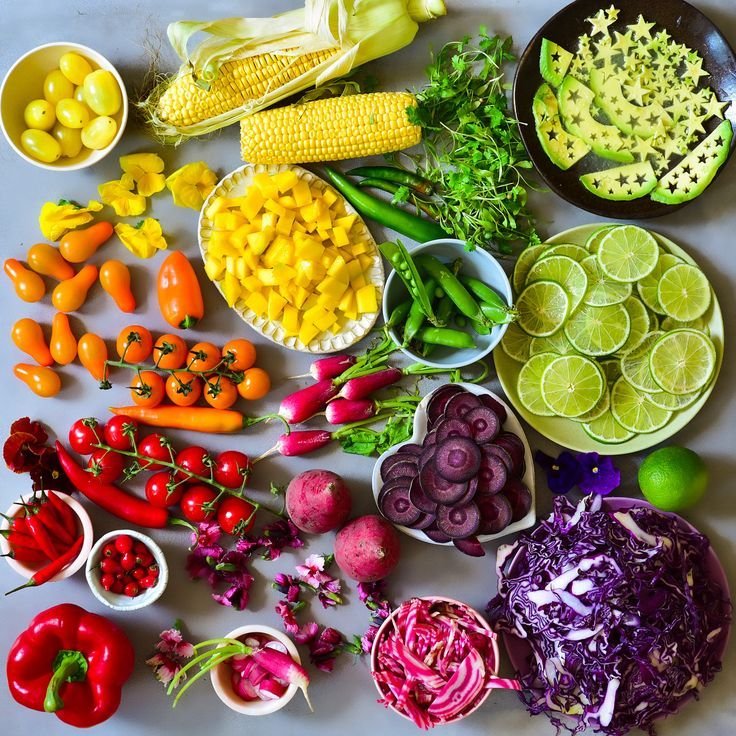
Nourish Your Gut and Immunity with a Rainbow Diet by Sally Poon
07/05/2025
Shopping Cart